FORMFUTURE ICC BERLIN
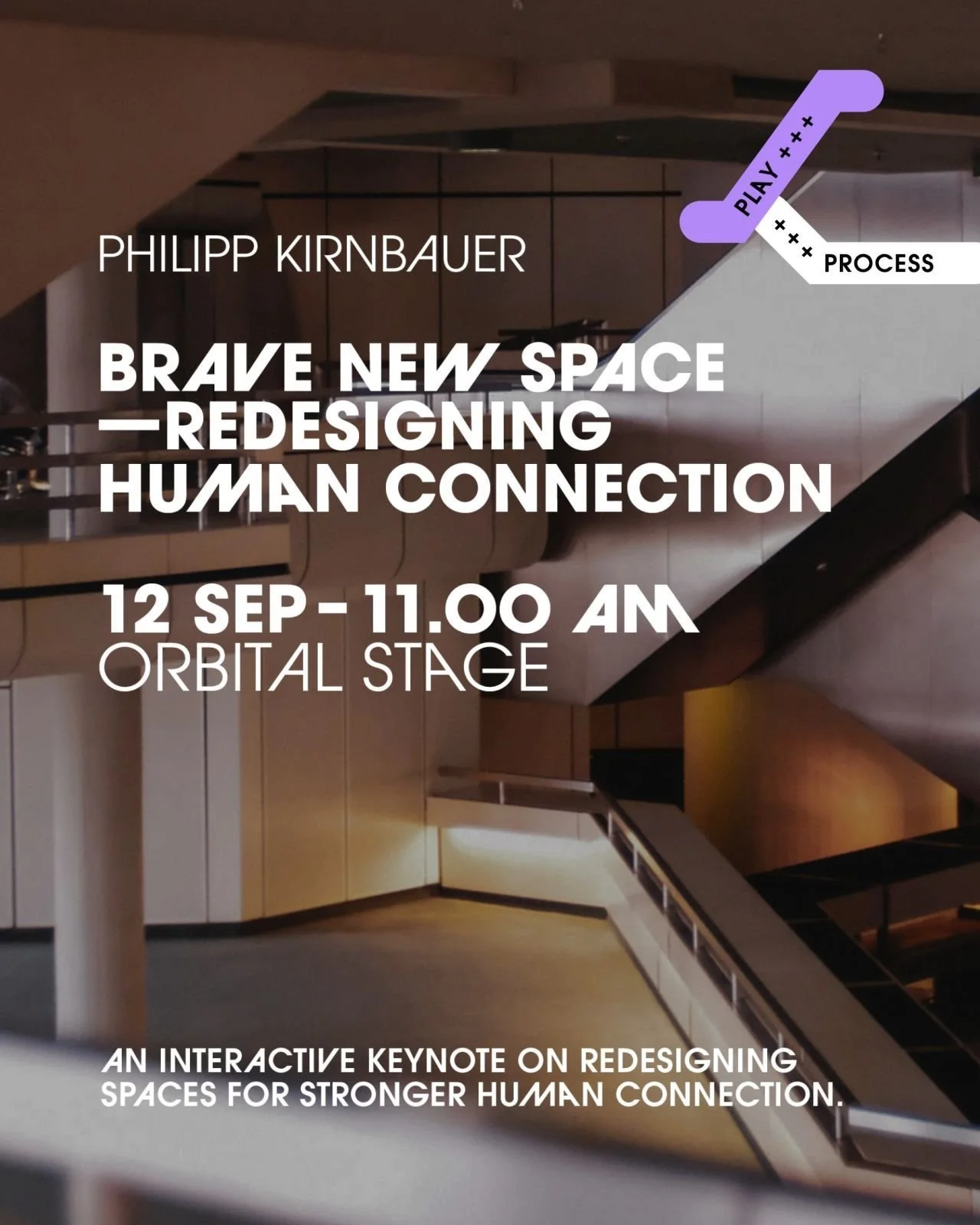
BRAVE NEW SPACE
Redesigning Human Connection
BRAVE NEW SPACE – Redesigning Human Connection
Interactive Keynote & Discussion (EN)
Rethink real estate as a strategic tool for cultural capital — designed to foster connection, creativity, and human flourishing.
Rooted in pioneering research from UCL London and HSLU Lucerne , and shaped in dialogue with Google, Zaha Hadid Architects, and Vitra, BRAVE NEW SPACE explores how hospitality and design can create gravity — drawing people together through random encounters and shared purpose.
Philipp Kirnbauer reveals why serendipity is strategic, and how we can move beyond aesthetics to shape resonant spaces — places that connect with people on a deeper level and foster culture, well-being, and measurable social impact.
What if we rethink real estate — not as square meters, but as a strategic tool for cultural capital?
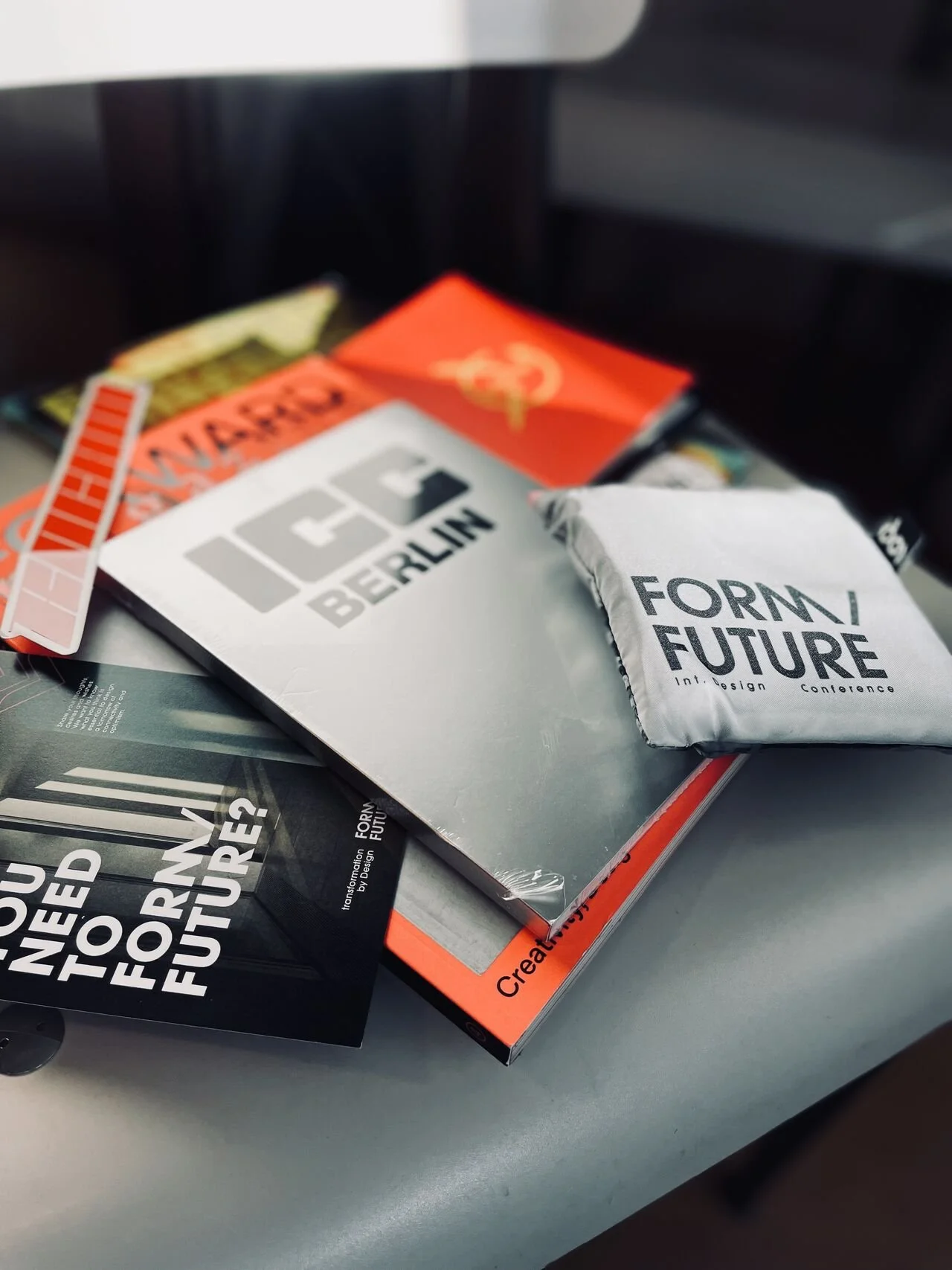
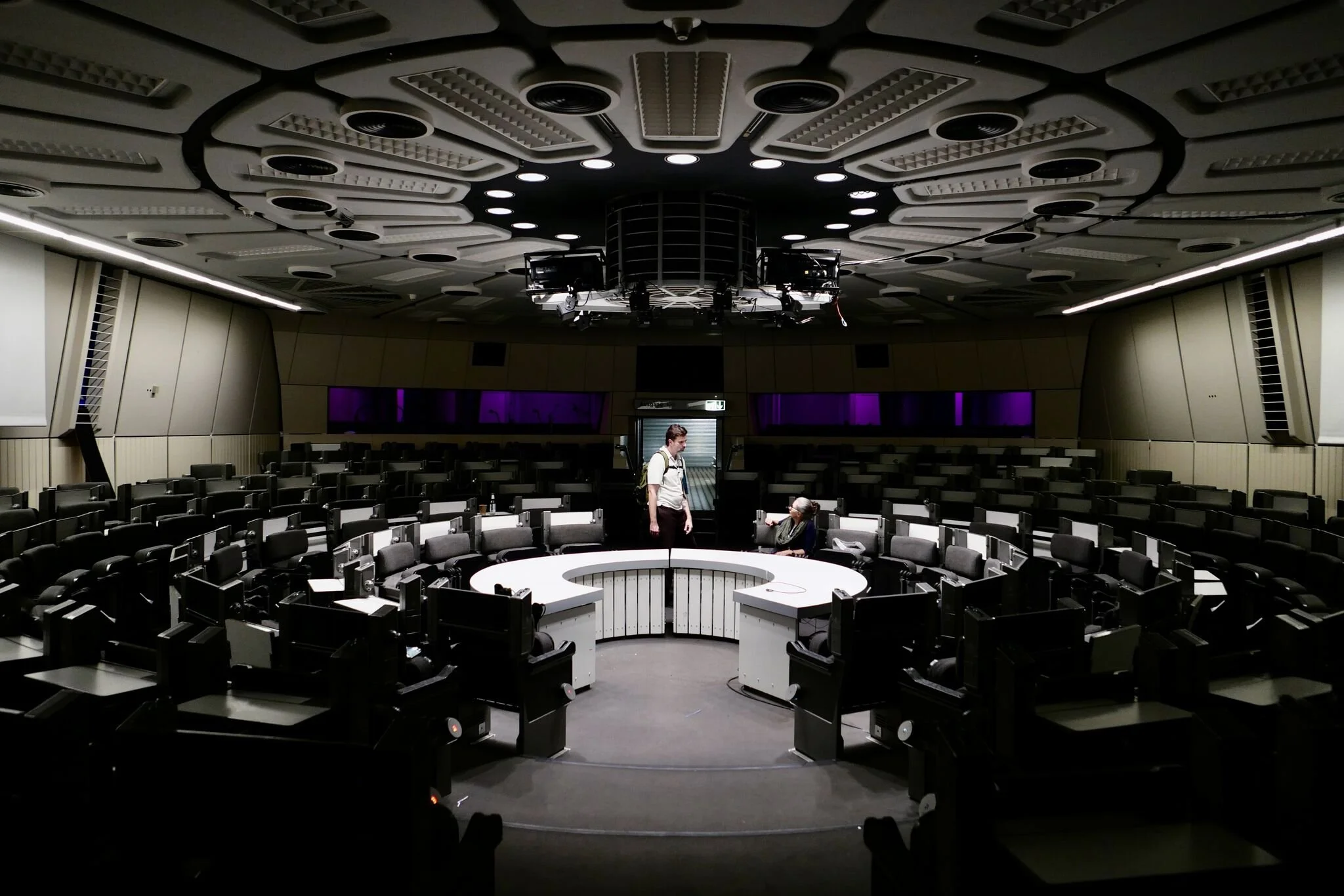
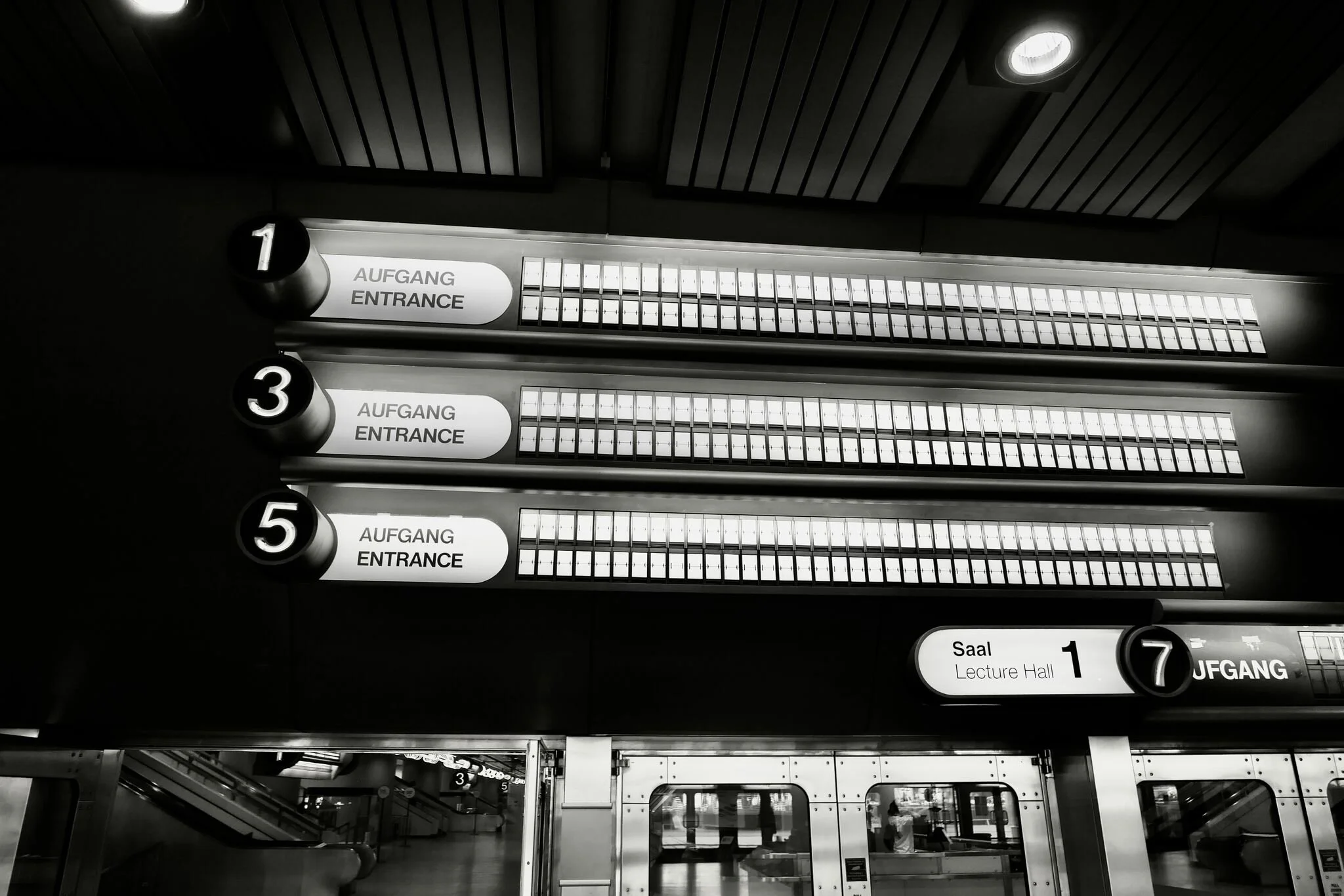
This question framed my BRAVE NEW SPACE keynote and masterclass at formfuture.berlin, hosted at the iconic ICC Berlin — a building that itself embodies the tension between history, imagination, and what comes next.
As Michael Biel put it:
“Berlin is rightfully a UNESCO City of Design — where creativity meets innovation.”
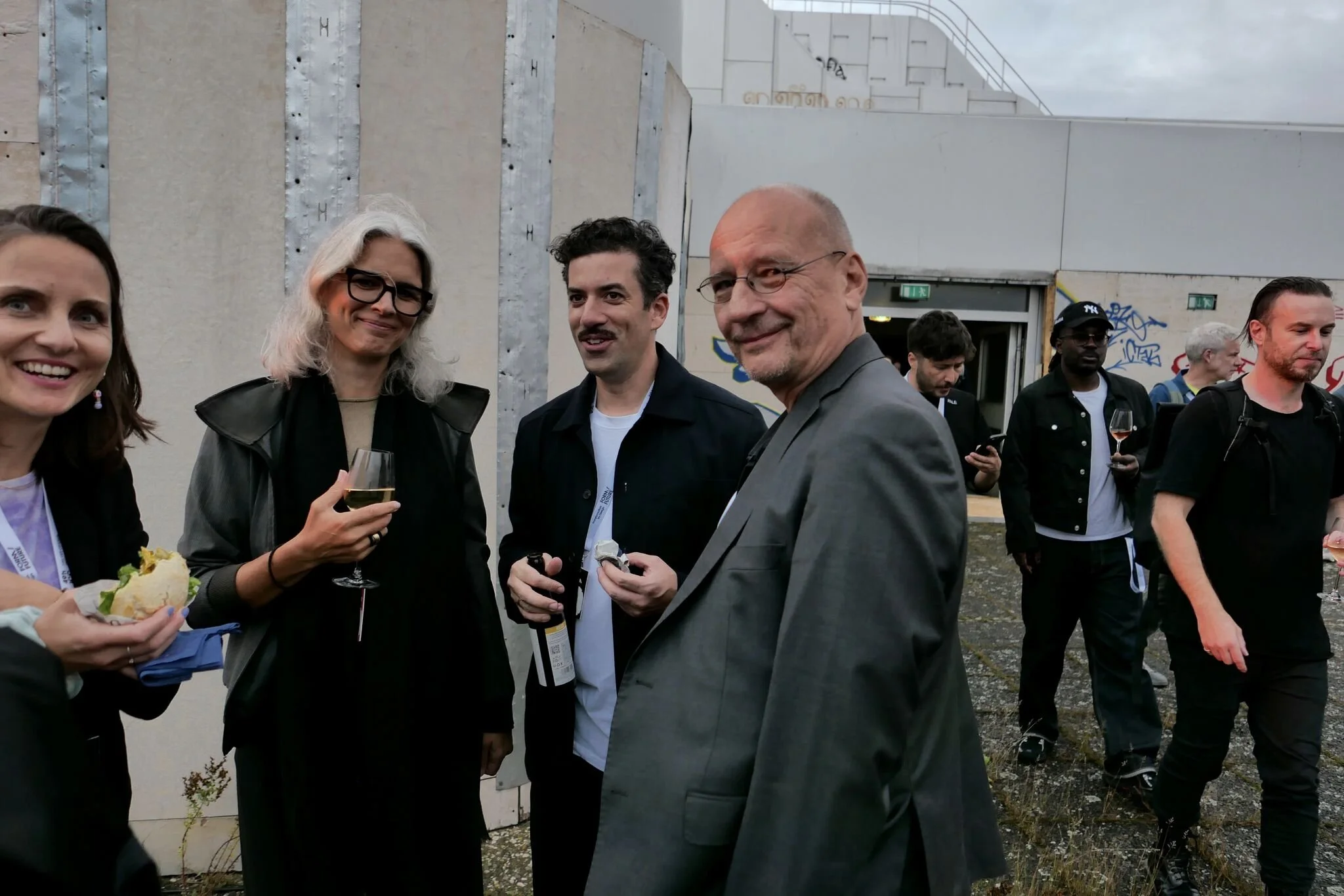
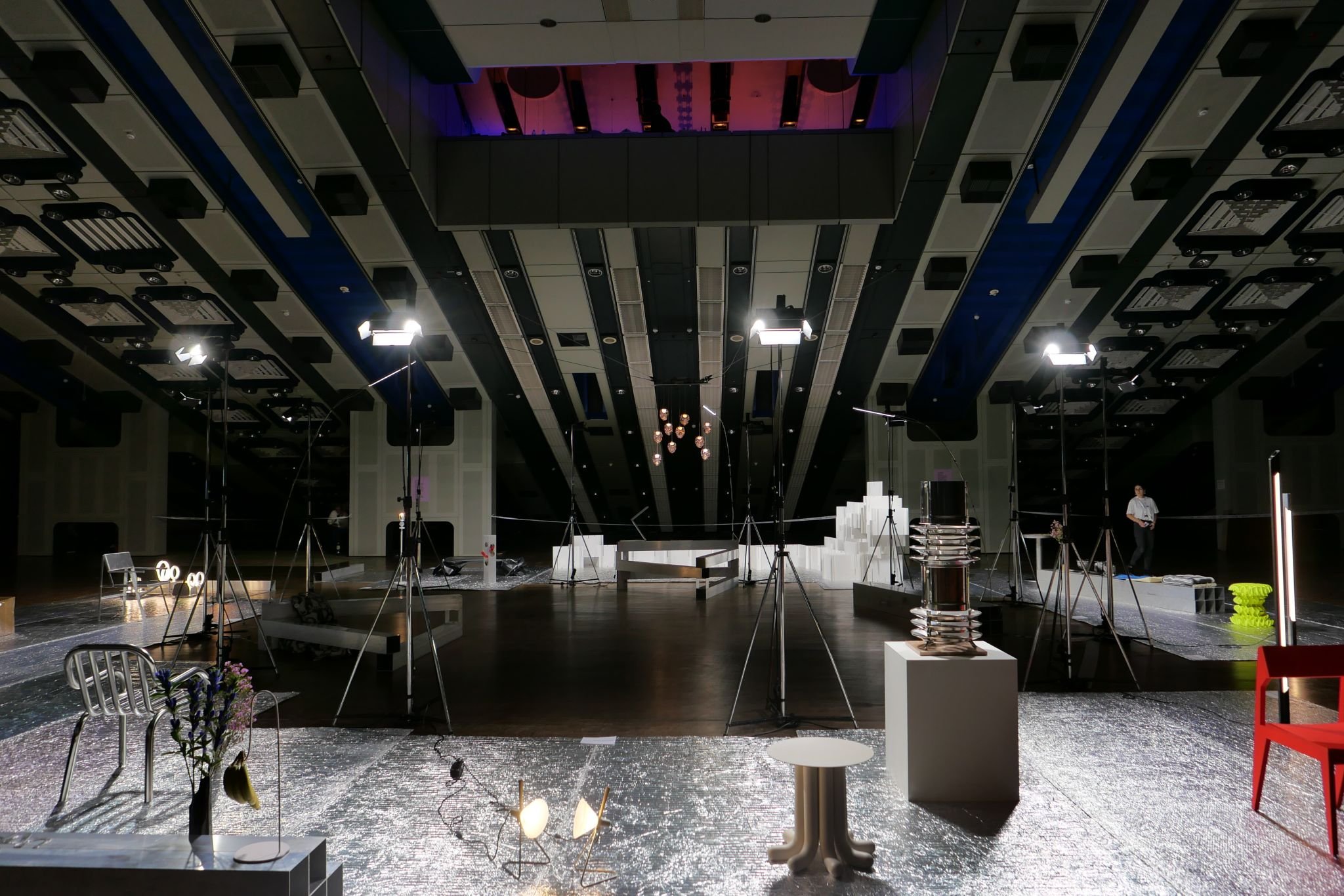
During formfuture.berlin, the ICC transformed into more than a venue.
It became a think tank and melting pot for design, future thinking, and collective imagination.
What BRAVE NEW SPACE explores
BRAVE NEW SPACE combines neuroscience, hospitality, and design to explore how environments create gravity — drawing people together through chance encounters, shared purpose, and meaningful interaction.
Rooted in research with UCL and HSLU Lucerne, and shaped through dialogue with Google, Zaha Hadid Architects, and Vitra, the work goes beyond aesthetics.
It asks:
Why is serendipity strategic?
How can spaces foster culture, well-being, and collaboration?
And how do we design environments with measurable social impact?
This session built directly on Guido Beier’s masterclass on the 77 Human Needs System, connecting human motivation to spatial design decisions.
From buildings to behavior
The key insight is simple — and radical:
Spaces don’t just host activity.
They shape behavior, culture, and connection.
When real estate is understood as cultural infrastructure, it becomes a powerful lever for:
community building
innovation
well-being
and long-term value creation
A shared moment
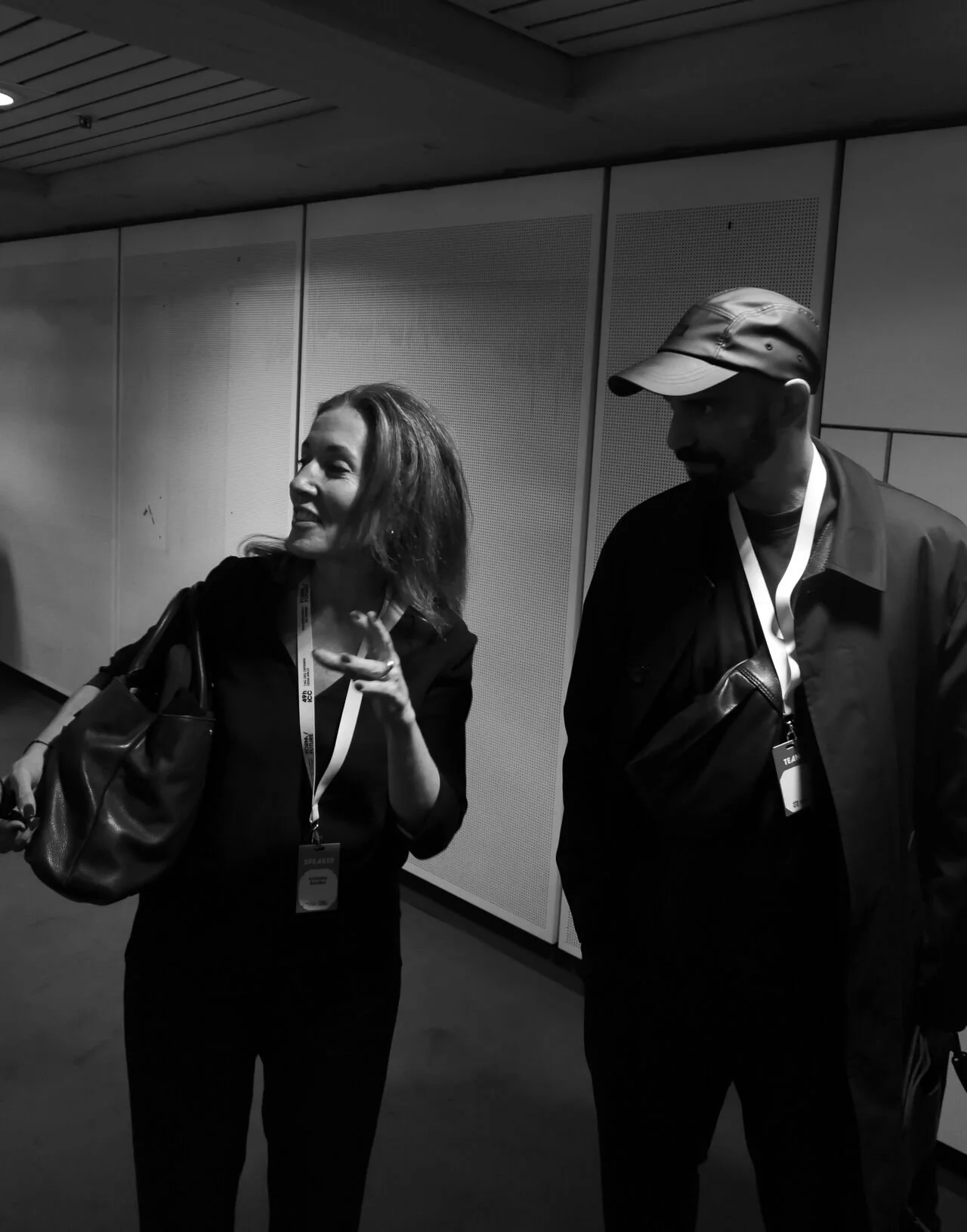
I’m deeply grateful to Dara Sepehri, Laura Hanowski, and the entire team for making this exchange possible.
Serendipity is strategic.
(#SWNXT)
And the future of real estate lies not in efficiency alone —
but in the quality of human connection it enables.
Philipp Kirnbauer , Berlin September 25